BGC CEO Outlines Potential Effects of Machine Games Duty Rise on Land-Based Gambling Venues
Eden Hughes · Sep 26, 2026

BGC CEO Outlines Potential Effects of Machine Games Duty Rise on Land-Based Gambling Venues
Grainne Hurst, chief executive of the Betting and Gaming Council, issued a warning in September 2026 about a proposed increase to Machine Games Duty that would double the rate from 20 percent to 40 percent, a change reportedly under review by Chancellor John Healey ahead of the Autumn Budget, and she tied the measure to projected losses of up to 16,000 jobs along with the closure of nearly 1,500 betting shops and as many as 34 casinos plus a potential net reduction of £124 million in Treasury revenue.
The modelling behind those figures draws on recent sector data that already reflects earlier tax adjustments, including the Remote Gaming Duty increase scheduled for April 2026, and it accounts for ongoing cost pressures that have contributed to previous rounds of shop closures across the land-based segment.
Scope of the Proposed Duty Adjustment
Current Machine Games Duty applies at 20 percent on gaming machines located in betting shops, casinos and other licensed premises, while the suggested doubling would align the land-based rate more closely with remote gaming taxation and would take effect if included in the forthcoming budget measures, according to statements released by the Betting and Gaming Council.
Those statements note that the land-based sector has absorbed successive cost increases in recent years, and observers point out that any further rise in duty would compound existing financial strains rather than operate in isolation from prior policy shifts.
Employment and Venue Projections
Figures released alongside the warning indicate that as many as 16,000 positions could disappear if the higher rate is introduced, with nearly 1,500 betting shops and up to 34 casinos facing potential shutdowns because operators would need to rationalise sites that no longer cover their operating costs under the revised tax structure.
These estimates emerge from economic modelling conducted in September 2026 that incorporates data on current venue performance and employment levels across the United Kingdom, and the same analysis projects a net Treasury shortfall of £124 million once reduced tax receipts from closed premises are factored in against any initial duty gains.
Context of Prior Tax and Cost Pressures
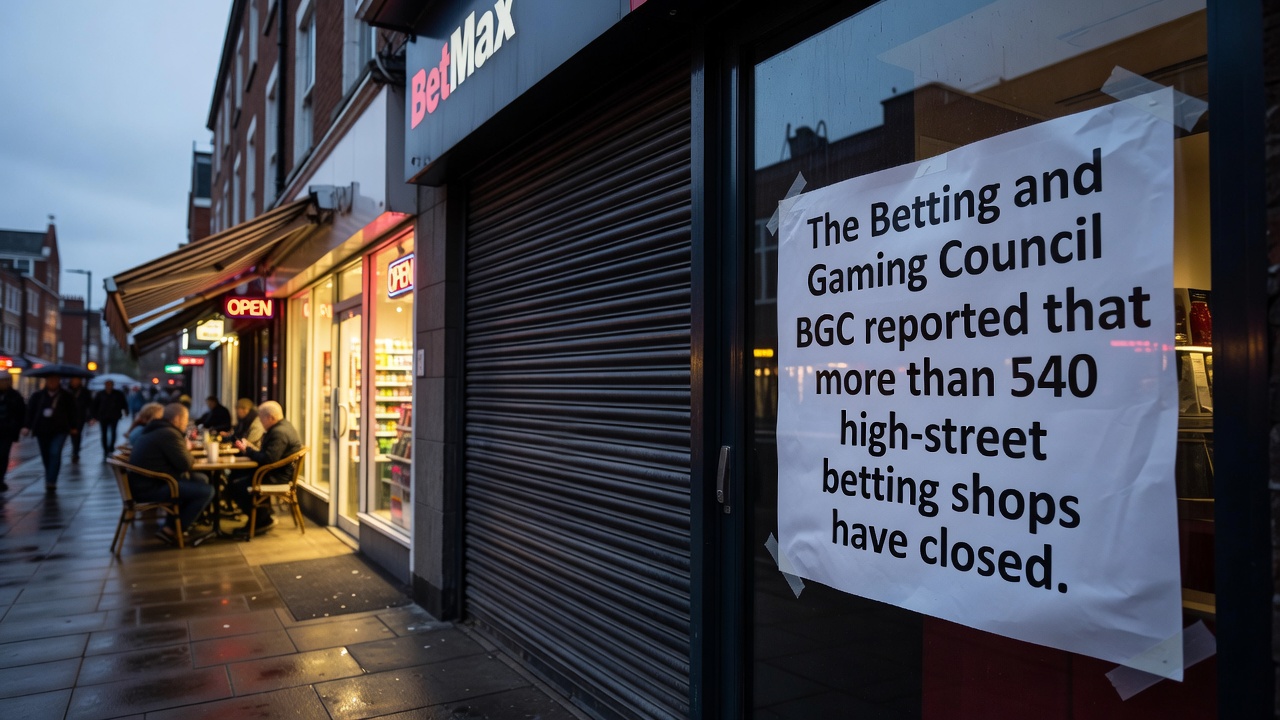
Land-based operators have already navigated the April 2026 Remote Gaming Duty adjustment, which raised the rate on online activities, and that change occurred alongside broader increases in business rates, energy costs and wage obligations that have prompted multiple rounds of shop rationalisation in the preceding period.
Hurst emphasised that the cumulative effect of these factors leaves limited room for additional taxation on physical venues, and she connected the proposed Machine Games Duty rise directly to the risk of accelerated closures that would remove both jobs and future tax contributions from the economy.
Revenue Implications for the Treasury
The modelling suggests that while a higher duty rate could generate additional revenue from remaining operational sites, the loss of nearly 1,500 betting shops and 34 casinos would eliminate taxable activity that currently supports Treasury income, resulting in the cited net reduction of £124 million once all adjustments are calculated.
That calculation rests on sector-wide performance data collected in the months leading up to September 2026, and it highlights how venue closures can offset nominal rate increases when the tax base contracts.
Industry Response and Next Steps
Representatives from the Betting and Gaming Council have called for detailed consultation on the measure before any final budget decision, noting that land-based gambling provides regulated environments with established player protections and local employment that could be diminished if the duty change proceeds without further assessment.
Stakeholders continue to monitor announcements from the Treasury, and they point to the April 2026 Remote Gaming Duty precedent as evidence that tax adjustments can produce wider operational consequences across both remote and land-based segments.
Conclusion
The warning delivered by Grainne Hurst places the proposed Machine Games Duty increase within a sequence of fiscal and cost pressures that have already reshaped parts of the UK land-based gambling sector, and the accompanying projections quantify potential job losses, venue reductions and Treasury impacts should the rate move from 20 percent to 40 percent in the Autumn Budget. Data from September 2026 modelling continues to inform discussions between industry bodies and government officials as the budget timeline advances.