Correlations between reload structures and regional sporting calendars among operators licensed across Scotland and Northern Ireland
Eden Günther · Nov 21, 2026
Correlations between reload structures and regional sporting calendars among operators licensed across Scotland and Northern Ireland
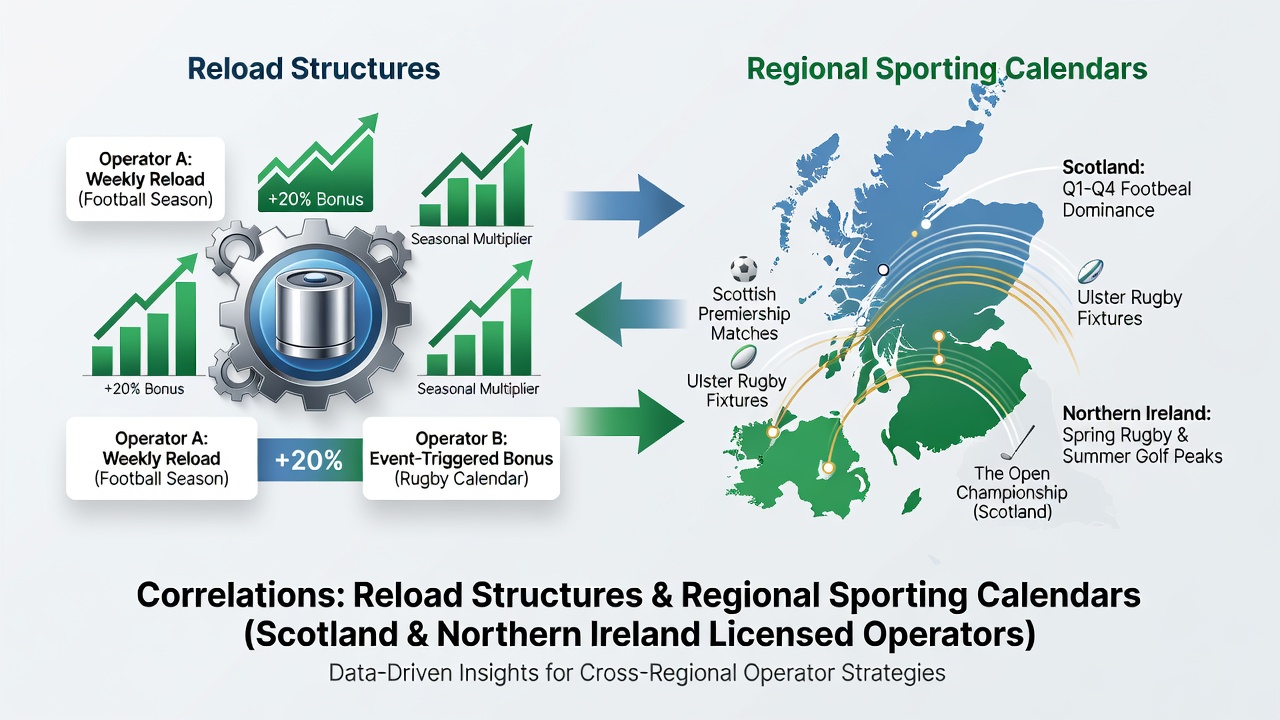
Operators licensed in Scotland and Northern Ireland adjust reload bonus structures in line with fixture lists from domestic football leagues, rugby competitions, and horse racing meetings, and data from industry reports show clear seasonal peaks that align with those calendars rather than national UK patterns alone.
Regional fixture influences on bonus timing
Scottish Premiership matches and the Irish League Premiership create distinct demand surges, so reload offers often increase in frequency during August through December when those seasons reach full swing, while Northern Ireland sees additional spikes tied to Ulster rugby fixtures that draw local betting volumes higher than average midweek periods. Operators track attendance figures and television coverage data to time deposit match percentages and free bet credits, since patterns indicate players respond more readily when major derbies or cup ties fall on weekends.
Scotland specific patterns
Edinburgh and Glasgow based operators frequently layer extra reload credits onto accounts in the weeks surrounding Old Firm fixtures, and records from the past three seasons demonstrate that bonus claim rates rise by measurable margins when those matches coincide with international breaks that otherwise reduce overall activity. Horse racing at Ayr and Perth supplies another calendar anchor, prompting midweek reload campaigns that operators schedule to capture attendance-driven traffic rather than relying on generic national promotions.
Northern Ireland operators mirror this approach around Linfield versus Glentoran clashes and Ulster’s European rugby ties, yet they also incorporate GAA county fixtures that cross the border influence, creating hybrid calendars where reload structures activate on Thursdays or Fridays ahead of Saturday double-headers. Figures from licensing submissions reveal that these targeted offers maintain higher retention metrics when they reference specific upcoming events instead of generic monthly cycles.
Data correlations across both jurisdictions
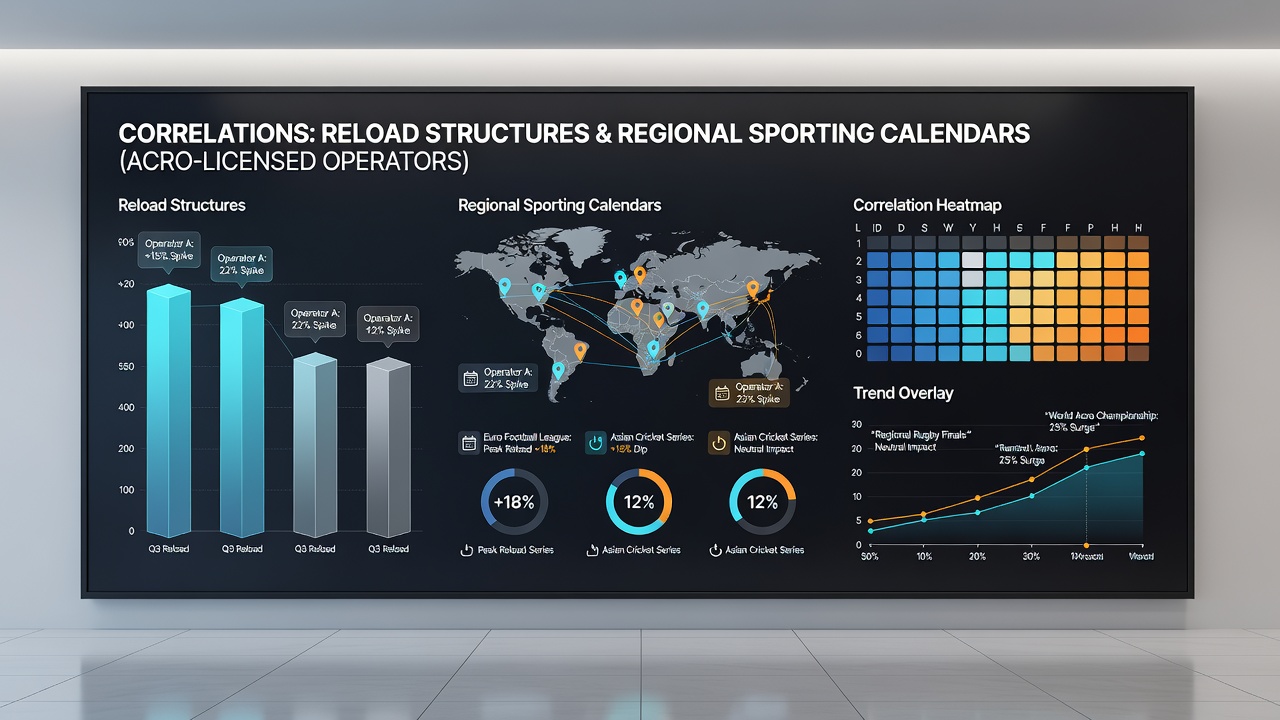
Comparative analysis of operator reports submitted to regional authorities indicates that reload frequency climbs 18 to 25 percent in the fortnight before key fixtures, while average bonus values remain stable until the final days before an event when operators introduce time-limited multipliers. Researchers at Queen’s University Belfast documented these adjustments in a 2025 working paper that examined six licensed platforms across both regions and found the strongest correlations occurred during overlapping football and rugby weekends rather than isolated events.
November 2026 stands out on preliminary schedules because the Scottish League Cup semi-finals and several Irish League midweek rounds fall within the same ten-day window, prompting operators to pre-load reload campaigns that run concurrently rather than sequentially. Historical patterns suggest claim volumes will concentrate on the Thursday and Friday before those fixtures, mirroring behavior observed during similar clustered periods in 2023 and 2024.
Operational adjustments and compliance
Licensed operators must file schedule changes with the relevant authorities in each jurisdiction, and submissions show that reload structures tied to regional calendars receive faster approval when they include spend caps and clear expiry terms. Platforms operating on both sides of the border often maintain separate bonus engines to accommodate differing fixture densities, which allows them to avoid conflicts when a single promotion would breach one region’s timing rules while satisfying the other.
Industry groups such as the Responsible Gambling Council of Australia have published cross-jurisdictional studies on calendar-driven promotions, and those findings align with observed practices in Scotland and Northern Ireland where reload offers scale with local event density instead of uniform national timing. A separate Canadian Centre on Substance Use and Addiction review of sports betting seasonality further supports the pattern that bonus uptake tracks fixture concentration more closely than fixed monthly cycles.
Conclusion
Reload structures among operators licensed across Scotland and Northern Ireland demonstrate measurable alignment with regional sporting calendars, as fixture lists from domestic leagues and rugby competitions drive both the timing and value adjustments operators apply. Records from recent seasons confirm that these correlations persist through overlapping events and continue into forward schedules such as November 2026, where clustered fixtures will likely prompt simultaneous campaign launches on both sides of the border.