Decoding Interplay Between Seasonal Reload Cycles and Tiered Loyalty Perks in Digital Gaming Environments
Ulrich Simon · Sep 12, 2026
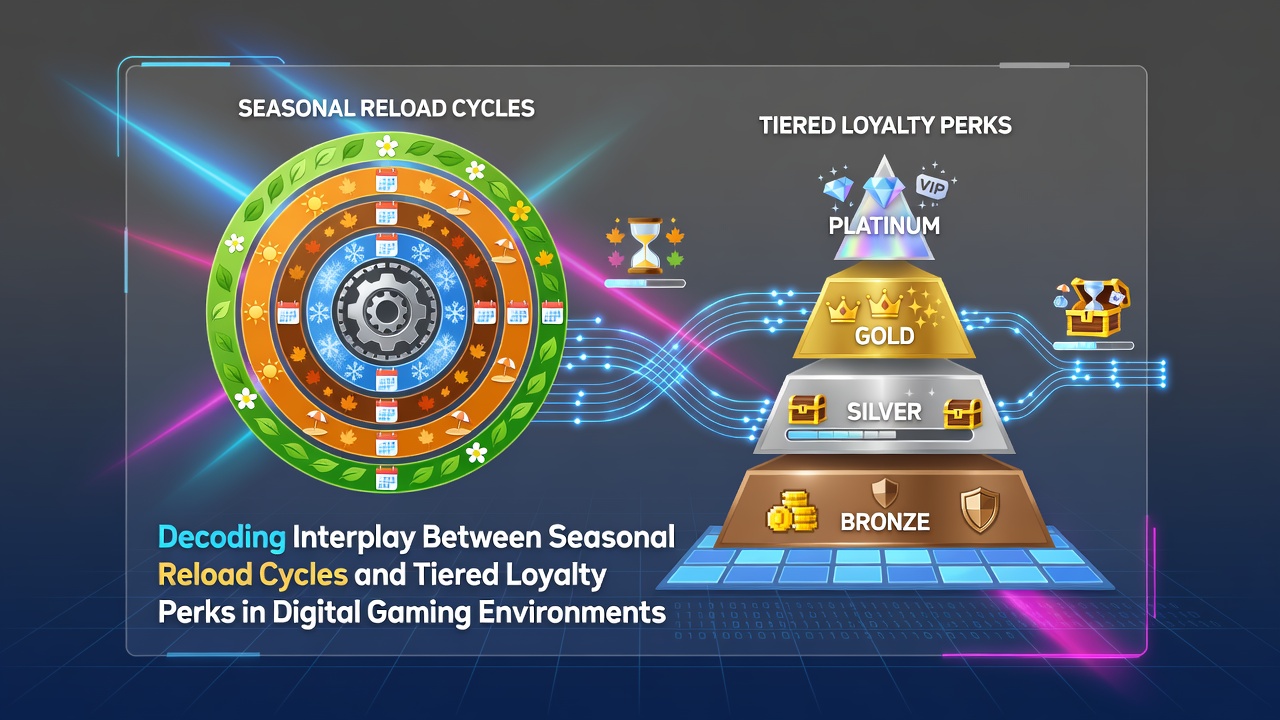
Decoding Interplay Between Seasonal Reload Cycles and Tiered Loyalty Perks in Digital Gaming Environments
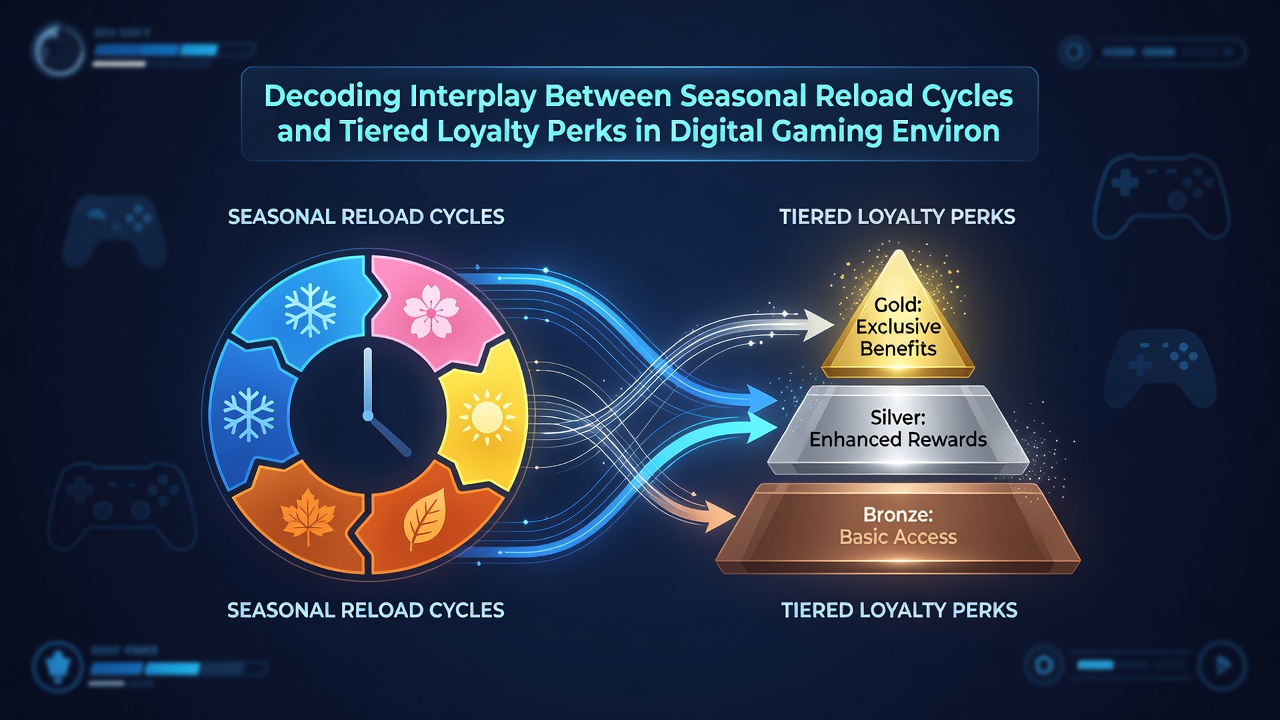
Seasonal reload cycles consist of time-limited deposit bonuses that platforms activate during holidays, sporting events, and calendar shifts, while tiered loyalty perks assign escalating benefits according to cumulative player activity metrics. Observers note that these two systems often operate in tandem, with higher tiers unlocking enhanced reload multipliers or exclusive seasonal windows that standard accounts cannot access. Research from industry analysts shows that platforms adjust reload percentages and frequency based on loyalty status, creating layered incentive structures that extend engagement across multiple months rather than isolated promotions.
Mechanics of Seasonal Reload Cycles
Platforms schedule reload offers around predictable periods such as summer tournaments or end-of-year celebrations, and data indicates these cycles typically run for 30 to 90 days with deposit match rates ranging from 50 percent to 200 percent. Players receive notifications through account dashboards and email alerts, while automated systems track qualifying deposits during the active window. Studies conducted by European gaming associations reveal that reload uptake rises sharply when offers coincide with major sporting calendars, yet the same research finds lower conversion among accounts below mid-tier loyalty thresholds.
Tiered Loyalty Structures in Practice
Loyalty programs divide participants into ascending levels based on points earned through wagers, deposits, and session duration, with each tier granting cashback rates, withdrawal priority, and personalized reload access. Figures from North American regulatory filings demonstrate that top-tier members often receive reload bonuses unavailable to entry-level accounts, including higher caps and reduced wagering requirements. Those who track platform updates observe that tier progression resets annually in many jurisdictions, prompting players to concentrate activity in specific quarters to maintain status ahead of seasonal campaigns.
Integration Patterns Across Platforms
Operators frequently align seasonal reload calendars with loyalty renewal dates, allowing higher-tier members to apply their status benefits immediately to incoming promotions. In September 2026 several major platforms introduced synchronized calendars that automatically upgraded reload eligibility for members crossing into new tiers mid-cycle. Reports compiled by the Australian Communications and Media Authority highlight similar synchronization in licensed markets, where reload multipliers scale directly with tier rank during designated seasonal blocks.
But here's the thing: the technical backend must reconcile two separate tracking databases, one for seasonal timers and another for lifetime points, which creates occasional mismatches when players advance tiers during an active reload period. Industry reports note that platforms mitigate these issues through real-time status checks at deposit confirmation, ensuring the correct multiplier applies without manual intervention.
Player Behavior and Retention Metrics
Longitudinal data collected by university research teams indicates that participants who combine seasonal reloads with tier progression exhibit longer average account lifespans compared with those using only one system. Retention curves flatten when reload offers remain constant across all tiers, whereas differentiated access tied to loyalty rank produces steeper engagement spikes at renewal points. Analysts at the Canadian Centre for Gaming Research have documented that mid-tier players show the strongest response when seasonal reloads include tier-specific bonus spins or cashback add-ons.
What's interesting is how notification timing affects uptake: messages sent 48 hours before a seasonal window opens generate higher deposit volumes among loyalty members than generic announcements. Platforms therefore segment their campaigns by tier, delivering personalized reload previews that reference current status and projected benefits for the upcoming cycle.
Regulatory and Operational Considerations
Licensing authorities in multiple regions require transparent disclosure of how tier status modifies reload terms, including any differences in maximum bonus amounts or playthrough conditions. Compliance documentation submitted to the New Jersey Division of Gaming Enforcement, for example, must detail the algorithmic linkage between loyalty databases and promotional engines. Operators that fail to maintain accurate cross-referencing face audit flags, particularly when seasonal campaigns overlap with annual tier resets.
Yet the reality is that technical integration continues to evolve, with many platforms adopting unified player-management systems that treat seasonal parameters as variables within the loyalty engine itself. This approach reduces manual overrides and supports the scaled personalization that higher tiers expect during peak promotional periods.
Conclusion
The interplay between seasonal reload cycles and tiered loyalty perks rests on synchronized data systems that assign differentiated access according to player status while respecting fixed promotional calendars. Evidence from regulatory filings and academic studies confirms that platforms adjust reload parameters by tier to sustain engagement across seasonal peaks, and that retention outcomes improve when these mechanisms operate without friction. As operators refine their technical integration ahead of future cycles, the relationship between these two incentive layers will continue to shape how digital gaming environments allocate rewards and measure sustained participation.