How Mobile Device Features Alter the Timing and Frequency of Reward Claim Processes in Licensed UK Gambling Applications
Eden Hughes · Oct 24, 2026
How Mobile Device Features Alter the Timing and Frequency of Reward Claim Processes in Licensed UK Gambling Applications
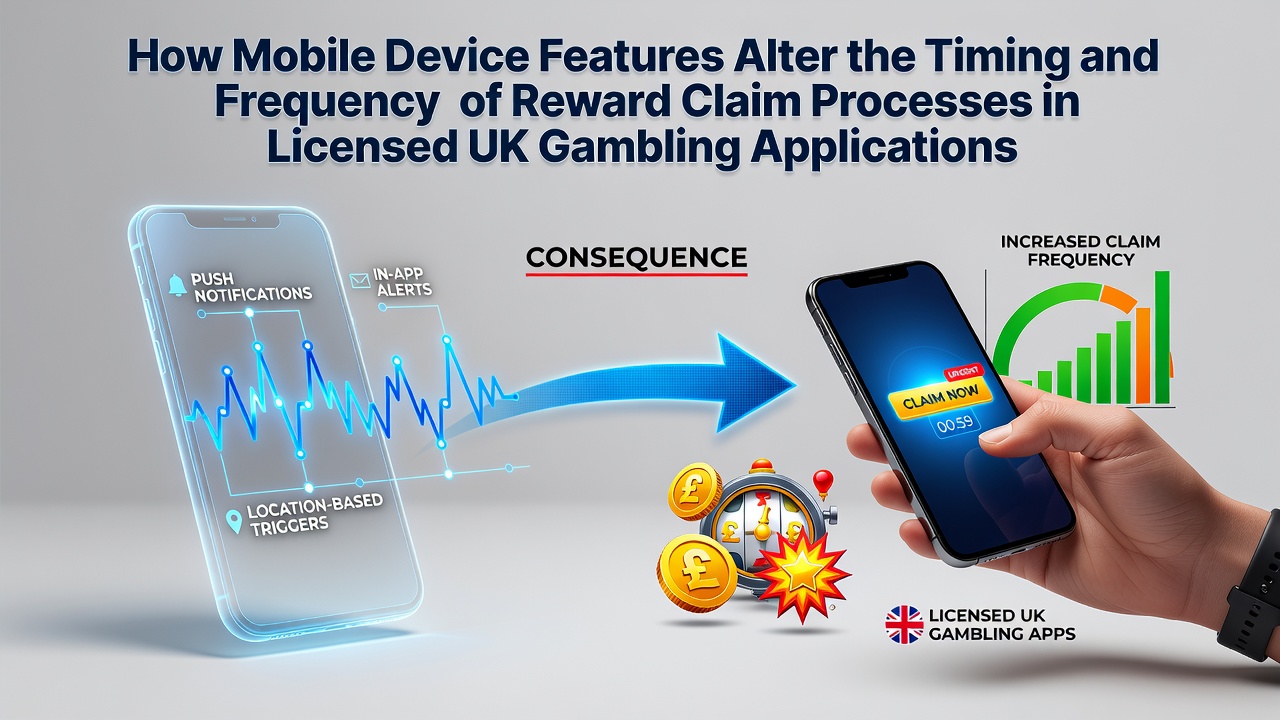
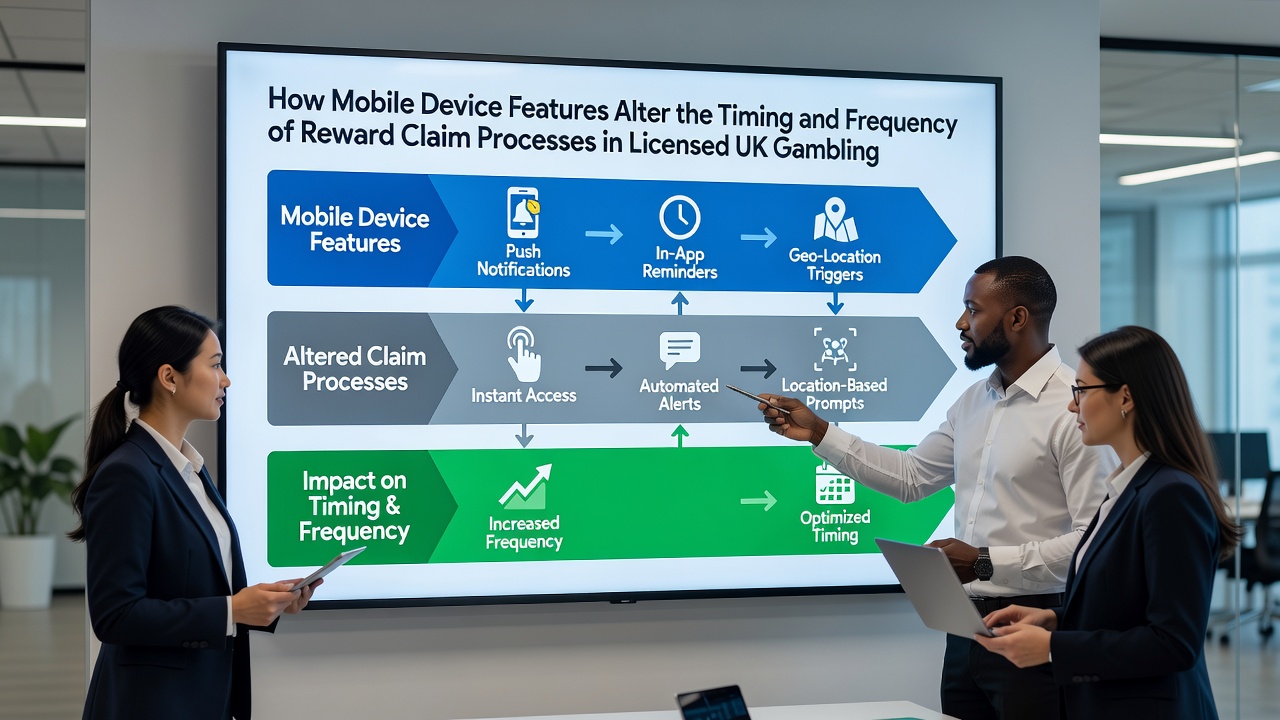
Smartphone operating systems and their integrated hardware capabilities have reshaped how players interact with reward mechanisms inside licensed UK gambling applications, and data from multiple markets shows clear shifts in claim patterns tied directly to device functions. Push notifications, location services, background refresh settings, and battery management tools each influence when users receive prompts and how often they complete reward redemptions.
Push Notifications Drive Shifts in Claim Timing
Operating system rules around notification delivery determine whether reward alerts arrive at peak engagement hours or during low-activity periods, and studies from academic institutions indicate that devices with aggressive notification throttling reduce same-day claims by measurable margins. When apps receive permission for timely alerts, users tend to open reward screens within minutes of receipt rather than waiting for manual checks later in the day. Researchers tracking app session logs across several European platforms found that notification-enabled accounts recorded higher frequencies of micro-claims spread throughout the week, whereas silenced notifications correlated with clustered activity on weekends only.
Location Services and Geo-Triggered Rewards
GPS and Wi-Fi positioning features allow applications to deliver context-specific offers that appear only when users enter designated zones, and industry reports document increased claim rates during commuting hours or near retail partners. This capability changes the rhythm of redemptions because players no longer rely on scheduled emails or in-app calendars; instead, physical movement itself becomes the trigger. Observers note that devices with precise location accuracy produce more frequent short sessions, each tied to a single reward step, while less accurate positioning leads to delayed or missed opportunities.
Background Refresh and Battery Optimization Effects
Modern mobile platforms apply strict power-saving protocols that limit background data activity, and these restrictions directly affect whether reward timers continue running when the app sits closed. Devices configured for aggressive battery conservation often pause progress tracking until the user manually reopens the application, which stretches the interval between claims. In contrast, users who whitelist gambling apps for unrestricted background operation experience steadier notification flows and maintain higher weekly redemption counts according to aggregated usage data. Platform updates released in recent years have introduced granular controls, allowing players to balance power use against timely reward access without disabling all optimizations.
Screen Time Reports and Behavioral Feedback Loops
Built-in usage analytics provided by phone manufacturers give players visibility into time spent inside gambling apps, and this feedback sometimes prompts adjustments in claim frequency. When weekly summaries highlight extended sessions, some users reduce daily checks, which in turn lowers the rate at which they collect time-sensitive bonuses. Data from research groups in North America and Australia suggests that exposure to these reports correlates with more deliberate scheduling of reward interactions rather than impulsive, device-prompted activity. The result appears as steadier but less frequent claims spread across longer periods.
App Permissions and Data Integration Patterns
Permission settings for storage access, calendar integration, and contact sharing influence how reward calendars sync with external device tools, and users who grant broader access often see rewards surface inside native reminder applications. This integration alters timing because claims can occur through multiple entry points instead of solely through the gambling app interface. Figures released by international gaming associations reveal that accounts with linked calendars maintain more consistent redemption streaks, whereas restricted permissions lead to higher rates of expired or forgotten offers. Platform differences between Android and iOS further compound these variations, since each ecosystem enforces distinct default behaviors for background tasks and alert prioritization.
Conclusion
Device-level features continue to shape reward claim behavior in licensed UK gambling applications through direct technical constraints and indirect behavioral nudges, and ongoing platform updates ensure these dynamics remain in flux. Tracking changes across notification systems, location accuracy, power management, and permission frameworks provides measurable insight into evolving user patterns without requiring subjective interpretation.