How Tiered Reward Structures Shape Long-Term Engagement Patterns in Licensed Digital Gaming Platforms
Viktor Baumann · Aug 26, 2026
How Tiered Reward Structures Shape Long-Term Engagement Patterns in Licensed Digital Gaming Platforms
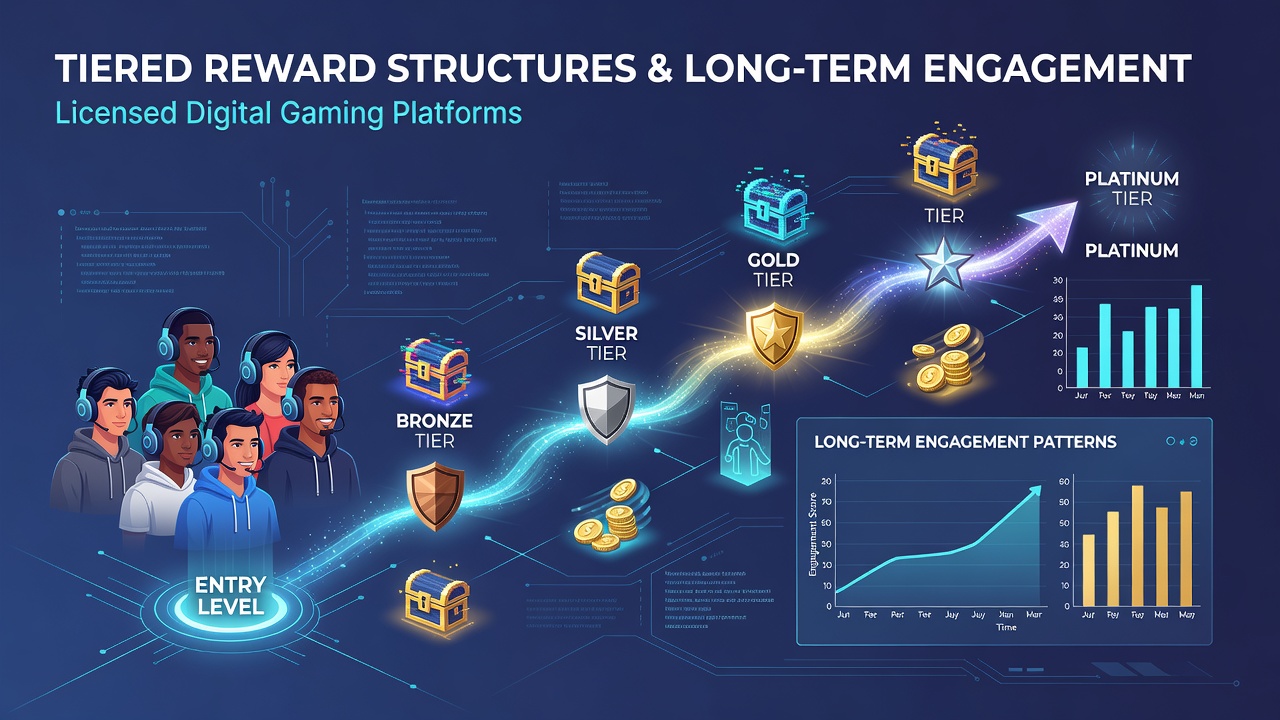
Tiered reward structures in licensed digital gaming platforms operate through progressive levels that grant escalating benefits based on cumulative player activity, and these systems have become central to retention efforts across regulated markets. Operators typically define entry points at lower tiers with modest perks such as bonus credits or free spins, while higher tiers unlock cashback percentages, personalized account managers, and priority access to new game releases. Data from multiple jurisdictions indicate that players who advance through at least two tiers demonstrate longer session durations and higher return rates compared with those who remain at entry levels.
Core Components of Tiered Systems
Platforms calculate tier progression using metrics that combine deposit volume, wager totals, and login frequency over defined periods, usually monthly or quarterly. Each tier carries distinct qualification thresholds and benefit packages that reset or carry over depending on the operator's policy. Research conducted by academic groups in North America shows that transparent point-tracking dashboards correlate with increased player awareness of progression paths, which in turn sustains motivation to maintain activity levels. Operators adjust these thresholds periodically to balance accessibility with exclusivity, ensuring that mid-tier players perceive attainable goals while top-tier members receive recognition that reinforces continued participation.
Observed Patterns in Player Retention
Longitudinal tracking across European and Australian licensed platforms reveals that tier advancement coincides with measurable shifts in engagement duration and frequency. Players who reach intermediate tiers often increase their weekly logins by measurable margins, while those attaining premium tiers exhibit the most stable month-to-month retention figures. A 2025 analysis released by the Australian Gambling Research Centre documented that tiered participants generated a higher proportion of total platform revenue even though they represented a smaller segment of the user base. These patterns hold across different game categories, from slot titles to table games, suggesting that the structure itself influences behavior more than any single game mechanic.
Regional Regulatory Context and August 2026 Developments
Regulatory bodies in Canada and several U.S. states have begun requiring clearer disclosure of tier qualification criteria and benefit valuation. Starting in August 2026, updated reporting standards in Ontario will mandate that operators publish anonymized retention statistics segmented by tier level, providing researchers with more granular datasets. Similar proposals under review in New Jersey aim to align disclosure rules with those already in place for land-based casino loyalty programs. These changes arrive as operators refine algorithms that predict when players are likely to stall at a given tier, allowing targeted communications that encourage continued activity without violating responsible gaming guidelines.
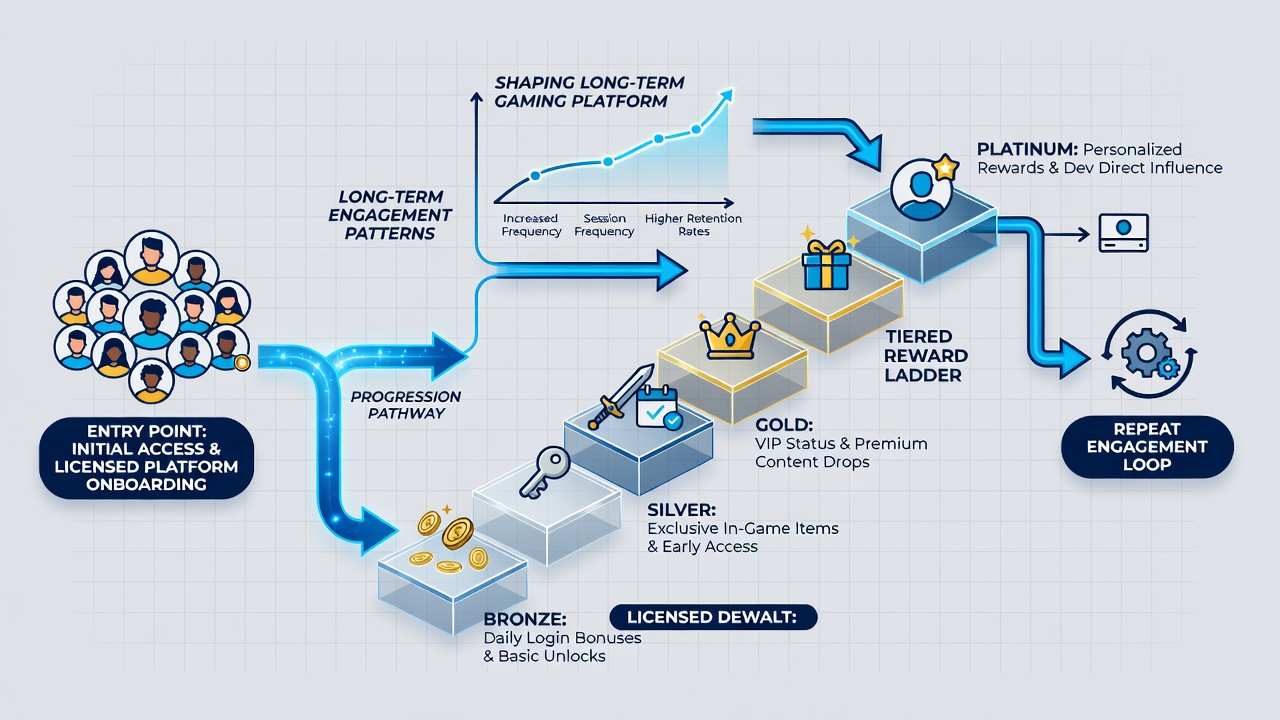
Industry reports compiled by the European Gaming and Betting Association indicate that platforms incorporating milestone bonuses at each tier boundary experience fewer abrupt drop-offs in activity. The same reports note that players who receive tier-specific communications show higher rates of completing the next qualification cycle. Observers note that these communications work best when they combine factual progress summaries with clear statements of remaining requirements rather than generic encouragement.
Interaction with Game Design and Platform Features
Tier benefits frequently integrate with in-game mechanics such as multiplier boosts or exclusive tournament entry, creating feedback loops that reward both volume and consistency. Studies from university research teams in Canada have examined how variable reward schedules at higher tiers can extend play sessions, yet the same studies emphasize that licensed operators must maintain strict loss-limit tools regardless of tier status. Platforms that allow tier status to carry across multiple game types tend to see broader engagement distribution, whereas those restricting benefits to single categories observe concentration among fewer titles. This distinction matters because regulators increasingly examine whether tier incentives inadvertently concentrate play in high-volatility products.
Measurement Challenges and Available Evidence
Quantifying the precise contribution of tiered rewards to long-term engagement remains complicated by overlapping factors such as game selection, promotional timing, and external economic conditions. Nevertheless, datasets released by the Nevada Gaming Control Board and comparable bodies in other regions allow analysts to compare retention curves before and after tier program launches. These comparisons consistently show steeper retention declines among non-tiered cohorts, although the magnitude varies by market maturity. Academic papers published in peer-reviewed journals continue to call for standardized metrics that would permit cross-platform comparisons while protecting individual player privacy.
Conclusion
Tiered reward structures continue to influence engagement patterns through graduated incentives that reward sustained activity across licensed digital gaming platforms. Available data from regulatory disclosures and independent research demonstrate measurable associations between tier progression and retention indicators, while ongoing policy updates scheduled for 2026 will supply additional transparency. Operators and regulators alike monitor these dynamics to maintain compliance with responsible gaming standards, and the resulting datasets will likely inform future refinements to both incentive design and oversight frameworks.