Study Reveals Growing Traffic to Illegal Betting Sites Across Britain
Ulrich Simon · Nov 7, 2026

Study Reveals Growing Traffic to Illegal Betting Sites Across Britain
The International Federation of Horseracing Authorities’ Council on Anti-Illegal Betting and Related Crime released findings from an extensive review of visitor patterns on more than 300 betting platforms operating in Britain, and the data points to a clear shift in how people access these services.
Scope of the Analysis
Researchers examined traffic across 74 licensed sites alongside 227 unlicensed ones during the opening seven months of 2026, which produced a ratio of 19.4 visits to illegal operators for every 100 visits to legal ones, and this proportion translates to roughly one in five total visits heading toward unregulated platforms.
Data collection methods focused on direct measurements of user engagement rather than estimates, allowing observers to track both the volume of visits and the length of time users remained on each type of site.
Changes in User Behavior Over Time
Average visit duration on illegal sites increased by 32 percent between October 2024 and July 2026, and this rise occurred even as regulatory bodies continued to promote licensed alternatives through public campaigns and enforcement actions.
Those who monitored the figures noted that longer sessions on unlicensed platforms often coincided with periods when promotional offers or new market features appeared on those domains, although the study stopped short of establishing direct causation.
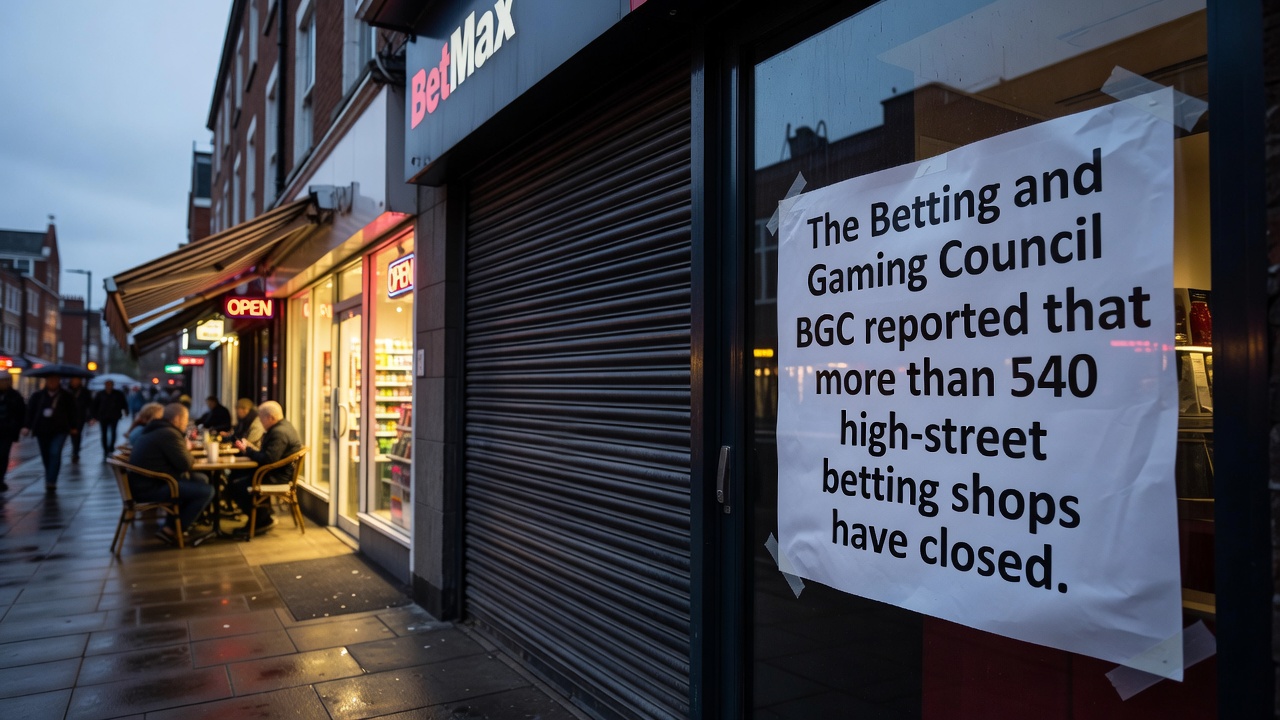
Financial Pressures on the Racing Sector
The British Horseracing Authority responded to the findings by underscoring the revenue losses that accompany every shift toward illegal operators, and industry calculations suggest that sustained growth in unregulated traffic could reduce contributions to prize money and breeding programs by measurable amounts each year.
Officials at the authority pointed out that the current trajectory, if left unchecked, places ongoing strain on the funding model that supports both elite and grassroots racing events throughout the country.
Government and Regulatory Response
Work through the Department for Culture, Media and Sport Illegal Gambling Taskforce has continued into November 2026 with a focus on blocking access, disrupting payment flows, and raising public awareness about the differences between licensed and unlicensed operators.
Taskforce members have coordinated with internet service providers and financial institutions to limit the functionality of illegal sites, yet the traffic data indicates that these measures have not fully reversed the upward trend in visits.
Enforcement actions during the same period included several high-profile domain seizures and advertising restrictions, and regulators report that coordination across borders remains essential because many illegal platforms operate from jurisdictions outside British oversight.
Broader Context for the Industry
Legal betting companies have invested heavily in compliance, player protection tools, and responsible gambling features, and those investments create a structural difference in cost base compared with operators that avoid such requirements.
Industry analysts observe that the gap in operational overhead can translate into more attractive odds or bonuses on some illegal sites, which in turn draws repeat visits from a segment of the market.
At the same time, licensed operators maintain that long-term player safety and the integrity of racing depend on keeping revenue within regulated channels, and they continue to share data with authorities to support enforcement efforts.
Looking Ahead
Future updates from the International Federation of Horseracing Authorities are expected to track whether the 19.4-to-100 ratio holds steady or widens further into late 2026, and racing stakeholders will watch those numbers closely as they plan budgets and negotiate funding agreements.
The British Horseracing Authority has indicated it will incorporate the latest traffic statistics into its submissions on regulatory reform, and it will continue to highlight the link between illegal betting growth and the financial stability of the sport.
Conclusion
The study supplies a snapshot of visitor behavior that regulators, racing bodies, and licensed operators can use to refine their strategies, and the 32 percent rise in session length on illegal sites adds another dimension to the challenge of protecting both consumers and the sport’s revenue streams.
Continued monitoring through established taskforces and international cooperation offers one pathway toward addressing the imbalance, while data from the first seven months of 2026 serves as a baseline against which later periods can be measured.