Tracing Player Retention Strategies Through Varied Incentive Models in Regulated Online Gambling Spaces
Eden Günther · Aug 24, 2026
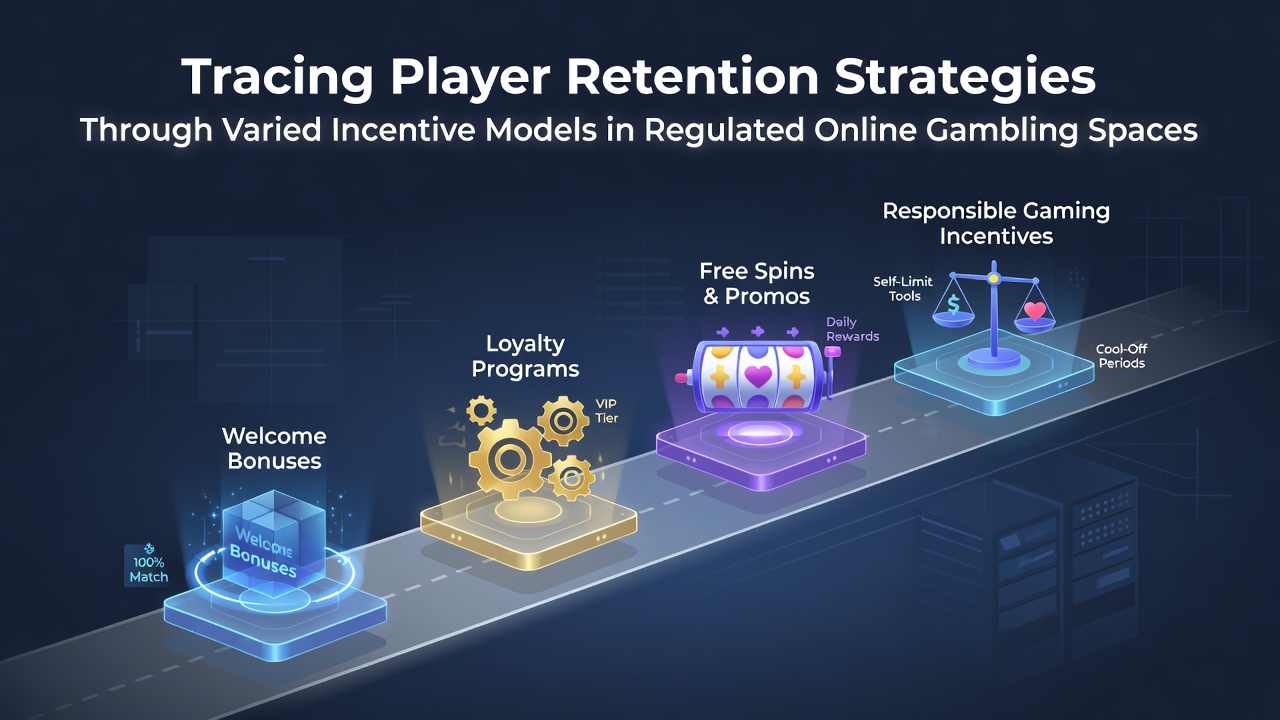
Tracing Player Retention Strategies Through Varied Incentive Models in Regulated Online Gambling Spaces
Regulated online gambling operators deploy multiple incentive models to maintain player engagement over extended periods, and these approaches combine welcome packages, ongoing loyalty rewards, cashback offers, and tiered VIP programs that adjust based on activity levels. Data from industry analyses indicate that retention rates improve when operators structure incentives around both short-term triggers and long-term progression systems, while compliance requirements shape how those rewards reach users across different jurisdictions.
Core Components of Incentive Structures
Operators typically begin with sign-up bonuses that include deposit matches and free spins, then transition players into loyalty frameworks where points accumulate through wagers and convert into credits or merchandise. Research published by the American Gaming Association shows these layered systems encourage repeat deposits because users see tangible progress toward higher reward tiers, and the models often incorporate personalized offers derived from behavioral data that operators collect under strict privacy rules.
Cashback programs return a percentage of losses within defined windows, and they frequently appear alongside time-limited promotions that align with major sporting events or seasonal campaigns. Those who track player metrics report that cashback reduces churn during losing streaks, yet the same studies note that the frequency and percentage must stay within regulatory caps to avoid encouraging excessive play.
Regulatory Influences Across Regions
Jurisdictions impose distinct rules on bonus advertising, wagering requirements, and maximum payout values, which forces operators to tailor incentive models accordingly. In August 2026, updated reporting from several European gaming authorities highlighted how operators adjusted loyalty point expiration dates to meet new transparency standards, and those changes coincided with measurable shifts in session length and deposit frequency across the monitored markets.
Canadian provincial frameworks and Australian state regulations similarly require clear disclosure of bonus terms, which leads operators to present simplified explanations alongside their offers. Observers note that these disclosures appear in both on-site banners and email campaigns, and the approach helps maintain compliance while still delivering the promotional value that keeps players active.
Case Examples from Market Data
One analysis of North American platforms revealed that VIP programs granting exclusive tournament access and dedicated account managers produced higher retention among high-volume users compared with flat-rate cashback alone. The same dataset indicated that mid-tier players responded more strongly to milestone rewards, such as free bet vouchers awarded after a set number of qualifying bets, and operators refined these triggers based on quarterly performance reviews.

European operators have tested hybrid models that combine deposit bonuses with risk-free bet credits, and findings from academic reviews at institutions such as the University of Nevada Gaming Research Center suggest these combinations extend average player lifespan when paired with responsible gambling tools like deposit limits. The integration of such tools occurs at the point of reward redemption, which keeps the experience seamless while satisfying oversight requirements.
Measurement and Adjustment Practices
Operators rely on cohort analysis and lifetime value calculations to determine which incentive combinations deliver sustained returns, and they adjust parameters such as wagering multipliers or reward expiry periods in response to performance dashboards. Reports from the European Gaming and Betting Association demonstrate that A/B testing across user segments allows fine-tuning without violating advertising guidelines, and the process often involves collaboration between compliance teams and data analysts.
Seasonal campaigns around major tournaments or holidays frequently incorporate limited-time multipliers on loyalty points, and these temporary boosts help re-engage dormant accounts. Data collected after such campaigns shows temporary spikes in logins followed by stabilization at higher baseline activity levels when the underlying loyalty structure remains consistent.
Conclusion
Retention strategies in regulated online gambling continue to evolve through iterative testing of incentive combinations that balance player engagement with regulatory compliance across multiple regions. Operators track outcomes through established metrics, refine reward structures based on cohort performance, and align promotions with jurisdiction-specific rules that govern disclosure and wagering conditions. The result is a dynamic set of models that adapt to both market conditions and oversight updates, including those documented in August 2026 reports from international gaming bodies.