UK Betting Sector Reports Significant Shop Closures and Job Losses Following Recent Budget Changes
Viktor Baumann · Aug 19, 2026

UK Betting Sector Reports Significant Shop Closures and Job Losses Following Recent Budget Changes
The Betting and Gaming Council has released figures indicating that more than 540 high-street betting shops closed across the UK since the previous year’s Budget, with around 4,500 jobs disappearing in the same period. These numbers reflect pressures from increased taxes and operating costs that have affected the regulated betting industry, according to the industry body’s statement. The report ties these developments directly to tax adjustments implemented in recent fiscal measures, while noting that additional proposed increases on online gaming and sports betting could accelerate similar outcomes. ## Details from the Council’s Assessment
Data compiled by the Betting and Gaming Council shows the shop closures and job reductions occurred amid rising taxes and costs that have impacted multiple operators. The organization highlighted that these changes followed Budget decisions which raised the financial burden on licensed premises, leading to reduced viability for many locations. Observers note that the regulated sector has responded by scaling back physical operations, with the council warning that further tax adjustments would compound the trend. The statement from the Betting and Gaming Council also points to risks associated with growth in the unregulated black market, where operators outside licensing frameworks may capture activity previously handled by regulated businesses. Industry figures indicate that such shifts could reduce overall tax contributions from the legal sector while increasing exposure to unlicensed activities. ## Longer-Term Patterns Since 2019
The recent figures add to a broader decline that began earlier. Since 2019 the sector has seen approximately 3,000 shops close and 15,000 jobs lost, according to the same council data. These cumulative totals cover multiple years of tax and cost increases that have steadily affected high-street operations. The Betting and Gaming Council presents these numbers as evidence of sustained contraction rather than isolated events tied to a single policy cycle. People familiar with the industry point out that the pattern has involved successive adjustments in taxation and regulatory requirements, each contributing to decisions by operators to consolidate or exit certain locations. The council’s latest release connects the post-Budget losses to this ongoing trajectory without attributing them to other external factors beyond those specified in the report. 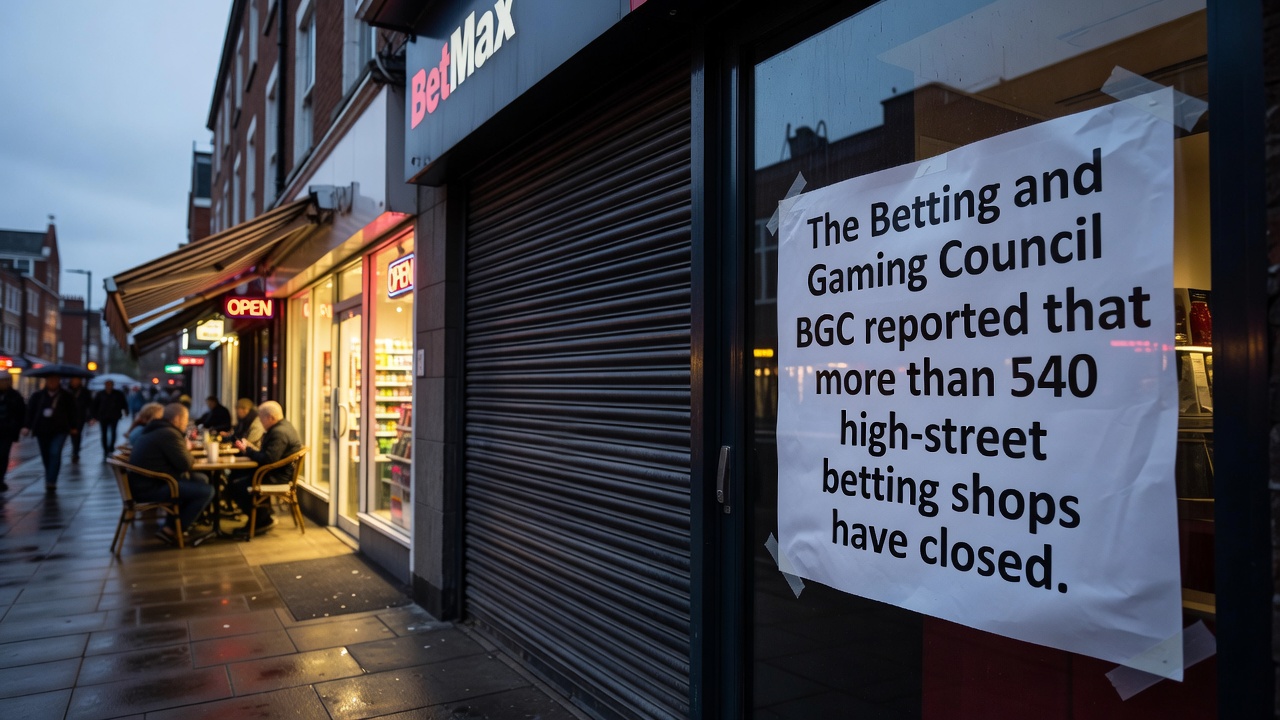 ## Warnings on Future Tax Measures
The Betting and Gaming Council has stated that additional tax hikes, including those targeting online gaming and sports betting, would likely produce further shop closures, job reductions, and lower levels of investment in the regulated market. The organization criticizes aspects of government responses to sector concerns, arguing that such policies overlook potential displacement toward unregulated channels. Figures released by the council suggest that continued increases could limit the sector’s capacity to maintain current employment and infrastructure levels. Those reviewing the report note the emphasis on investment reduction as a direct consequence of higher costs, with operators potentially deferring upgrades or expansions. The council links these outcomes specifically to the combination of existing tax rates and any new levies under consideration. ## Context Around August 2026 Developments
As discussions continue into August 2026, the Betting and Gaming Council’s data remains a reference point for tracking the effects of the prior Budget cycle. The reported closures and job figures stand as the most recent snapshot provided by the industry body, covering the period immediately following the last fiscal announcement. Updates from the council indicate that monitoring of these trends will extend through subsequent months, with attention to how any new tax proposals might interact with the existing pattern of decline. The organization has reiterated that the unregulated black market poses ongoing challenges, citing the potential for activity to migrate away from licensed operators when costs rise. This element appears consistently in the council’s communications as a factor that could influence both employment and tax revenue outcomes. ## Summary of Reported Impacts
The combined statistics—over 540 shops and 4,500 jobs since the last Budget, plus roughly 3,000 shops and 15,000 jobs since 2019—form the core of the Betting and Gaming Council’s current assessment. These numbers are presented alongside statements about reduced investment and increased black-market risks should further tax changes occur. The report focuses on the regulated sector’s response to fiscal pressures without introducing additional variables outside those identified by the council. ## Conclusion
The Betting and Gaming Council’s figures document measurable contractions in high-street betting operations and employment levels following recent Budget measures. The data covers both the most recent period and the longer span since 2019, while outlining potential effects of additional tax adjustments on investment and market dynamics. As of August 2026, these reported outcomes continue to inform discussions within the industry regarding the balance between regulated activities and unlicensed alternatives.
## Warnings on Future Tax Measures
The Betting and Gaming Council has stated that additional tax hikes, including those targeting online gaming and sports betting, would likely produce further shop closures, job reductions, and lower levels of investment in the regulated market. The organization criticizes aspects of government responses to sector concerns, arguing that such policies overlook potential displacement toward unregulated channels. Figures released by the council suggest that continued increases could limit the sector’s capacity to maintain current employment and infrastructure levels. Those reviewing the report note the emphasis on investment reduction as a direct consequence of higher costs, with operators potentially deferring upgrades or expansions. The council links these outcomes specifically to the combination of existing tax rates and any new levies under consideration. ## Context Around August 2026 Developments
As discussions continue into August 2026, the Betting and Gaming Council’s data remains a reference point for tracking the effects of the prior Budget cycle. The reported closures and job figures stand as the most recent snapshot provided by the industry body, covering the period immediately following the last fiscal announcement. Updates from the council indicate that monitoring of these trends will extend through subsequent months, with attention to how any new tax proposals might interact with the existing pattern of decline. The organization has reiterated that the unregulated black market poses ongoing challenges, citing the potential for activity to migrate away from licensed operators when costs rise. This element appears consistently in the council’s communications as a factor that could influence both employment and tax revenue outcomes. ## Summary of Reported Impacts
The combined statistics—over 540 shops and 4,500 jobs since the last Budget, plus roughly 3,000 shops and 15,000 jobs since 2019—form the core of the Betting and Gaming Council’s current assessment. These numbers are presented alongside statements about reduced investment and increased black-market risks should further tax changes occur. The report focuses on the regulated sector’s response to fiscal pressures without introducing additional variables outside those identified by the council. ## Conclusion
The Betting and Gaming Council’s figures document measurable contractions in high-street betting operations and employment levels following recent Budget measures. The data covers both the most recent period and the longer span since 2019, while outlining potential effects of additional tax adjustments on investment and market dynamics. As of August 2026, these reported outcomes continue to inform discussions within the industry regarding the balance between regulated activities and unlicensed alternatives.